Alligator SVG Review: A Designer’s Take on Vintage Swamp Detail
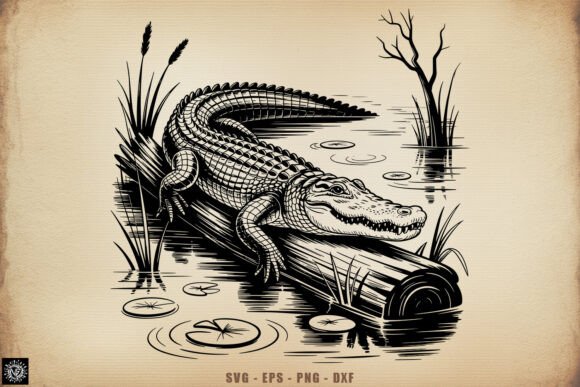
When I first pulled up the Alligator SVG, my immediate reaction wasn’t about the file size or the stitch count—it was about the mood. As a designer who spends hours evaluating files for real-world embroidery, I look for that specific spark of personality before I even think about hooping fabric. This vintage alligator design delivers exactly that. It isn’t just a generic reptile outline; it is a beautifully engraved crocodile resting on a log in a swamp setting, surrounded by reeds, lily pads, and calm water reflections. The detailed linework and classic aesthetic give it a timeless quality that feels right at home in both rustic decor and modern streetwear.
I decided to put this machine embroidery design through its paces, not just as a digital asset, but as a potential hero for a small business collection. Whether you are an Etsy seller looking to expand your nursery decor line or a craft fair vendor aiming to stand out with unique custom apparel, understanding how a design translates from screen to thread is crucial. Here is my practical breakdown of how this Alligator SVG performs in actual production scenarios.
The First Impression: Mood and Visual Personality
The visual weight of this design is substantial without being overwhelming. The "engraved" style mentioned in the description suggests a high-contrast, illustrative approach that tends to hold up well in embroidery because it relies on strong lines rather than subtle gradients. In the world of graphics and crafts, this distinction matters. A simple silhouette might get lost on a textured fleece sweatshirt, but intricate linework like the reeds and water reflections here can add a layer of sophistication that elevates the perceived value of the handmade product.
The composition—a central subject flanked by organic elements like lily pads—creates a natural focal point. For a designer, this is gold. It means you don’t have to fight the layout when placing it on a garment or accessory. The design naturally guides the eye to the alligator, while the surrounding details frame it perfectly. This balance is essential for creating a professional-looking finished product that doesn’t feel cluttered or sparse.
Real-World Application: Where Does This Design Shine?
I’ve been thinking about where this embroidery file would make the biggest impact. Based on its vintage, slightly rugged yet elegant vibe, I see three distinct categories where this design could drive sales:
- Nursery and Baby Decor: There is a massive market for gender-neutral or nature-themed baby items. This alligator works beautifully for a unisex nursery pillow cover or a soft blanket edge. The calming water reflections and lily pads soften the image, making it suitable for a baby’s room rather than feeling too aggressive. It fits perfectly into the trend of baby embroidery that emphasizes organic shapes and earth tones.
- Rustic Home Goods: Think tea towels, kitchen aprons, and throw pillows. The swamp theme pairs wonderfully with linen, burlap, or heavy cotton fabrics. Imagine this stitched in muted greens, browns, and creams on a natural-colored flour sack towel. It becomes a conversation starter. As a small shop product, it offers high perceived value because it looks like art, not just a logo.
- Outdoor and Hunting Apparel: While less common for some brands, there is a dedicated audience for hunting and fishing gear. This design would look fantastic as a chest pocket patch on a cap or a back print on a sweatshirt. The vintage engraving style appeals to those who appreciate traditional outdoors aesthetics. It serves as a great example of sweatshirt embroidery that respects the heritage of the activity.
Technical Considerations: Stitching and Fabric Choice
Before committing to a large production run, any experienced designer knows you must test. The Alligator SVG features detailed linework, which brings specific challenges regarding stitch density and hoop size. If the reeds and lily pads are too dense, they may merge together during stitching, losing their definition. Conversely, if they are too sparse, the fabric might show through, especially on lighter threads.
Here are my practical notes for executing this design successfully:
- Test on Scrap Fabric: Always run a test stitch-out. Check how the thread colors interact with your base fabric. Dark greens on black fabric might disappear, while bright yellows on white might be too harsh. You want contrast that pops but remains cohesive.
- Check Small Details: Inspect the corners of the lily pads and the fine lines of the reeds. If these areas are too thin, they may break or pucker. You might need to adjust the running stitch length or simplify certain elements in your digitizing software if the original file is too intricate for your machine’s capabilities.
- Stabilizer Selection: Because this design likely involves both satin stitch outlines and fill stitch areas, proper stabilization is key. A cut-away stabilizer is usually best for garments like caps or jackets to prevent distortion over time. For home decor items like pillows, a tear-away might suffice if the fabric is stable.
- Black and White Mockups: Convert your design to grayscale to check the balance. This helps you see if one side of the composition is visually heavier than the other, ensuring the final piece feels balanced.
Where to Use Caution
While this design is versatile, it is not a one-size-fits-all solution. There are situations where you should proceed with caution:
- Small Hoop Sizes: If you are trying to fit this entire scene into a 4x4 hoop, you will likely lose detail. The reeds and water reflections may become muddy blobs. Reserve this design for larger hoops (5x7 or bigger) where the detail can breathe.
- Stretchy or Thin Fabrics: Avoid using this on thin jersey knits or highly stretchy materials without heavy stabilization. The weight of the fill stitches can cause the fabric to pucker or warp, ruining the clean lines of the engraved style.
- Curved Surfaces: Embroidering this on a curved surface like a baseball cap requires advanced technique. The flat, scenic nature of the design might distort if not placed carefully on the front panel. It is better suited for flat surfaces like tote bags, aprons, or patches.
- Dense Stitch Areas: If the design has large solid fills, ensure your machine can handle the needle penetration. Too many stitches in one area can lead to needle breakage or thread tension issues.
Impact on Brand and Customer Trust
For commercial embroidery projects, presentation is everything. A well-executed Alligator SVG signals professionalism. When a customer sees crisp lines, consistent tension, and thoughtful color choices, they trust the maker. This trust translates directly into repeat business and positive reviews.
Furthermore, the vintage aesthetic of this design allows for flexible branding. It doesn’t lock you into a single niche. You can position it as a luxury home good, a rugged outdoor accessory, or a playful baby item. This versatility is a huge advantage for digital product sellers and craft business owners who want to maximize the ROI of a single design asset. By offering this as part of a broader "Nature Series," you create a cohesive brand identity that resonates with customers who appreciate handcrafted quality.
Final Thoughts
The Alligator SVG is more than just a clipart image; it is a complete compositional package that offers depth, character, and versatility. Its strength lies in its detailed, engraved style, which lends itself well to high-quality embroidery techniques. However, success depends on your preparation. Test your stitches, choose the right fabric, and respect the complexity of the design.
If you are ready to create something that stands out, this design is a strong contender. Just remember to verify the specific technical specifications—such as exact stitch counts and file formats—with your source provider, as these details can vary. With careful execution, this vintage alligator can become a staple in your design assets, driving engagement and sales across multiple product categories.