Shields Outline Set, Badge Outline Svg Review
As a designer who spends half my day in the studio and the other half troubleshooting stitch errors on my machine, I don’t just look at an embroidery file; I look at how it will behave under the needle. When I first pulled down the Shields Outline Set, Badge Outline Svg, my initial reaction wasn’t about the aesthetic alone—it was about versatility. In the world of handmade goods and small business merchandise, the ability to pivot from a rugged aesthetic to a polished badge look is rare. This collection sits squarely in that sweet spot.
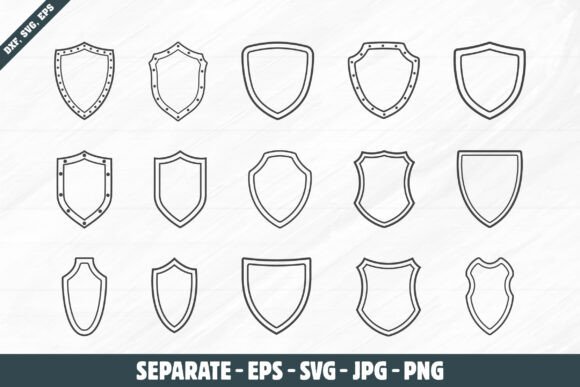
The files arrive as a digital download, compressed into a single ZIP file containing EPS, SVG, DXF, PNG, and JPG formats. For those of us working across different software ecosystems—from vector-based logo design to direct-to-garment mockups—having separate files for each design is a massive quality-of-life improvement. It means you aren’t wrestling with nested groups or trying to explode a complex layer just to resize one element. Let’s dive into how this set actually performs when moving from screen to fabric.
First Impressions: The Visual Personality
The mood of the Shields Outline Set, Badge Outline Svg is clean, authoritative, yet approachable. Shields and badges have a long history in heraldry and scouting, but these outlines feel modernized. They strip away the clutter of traditional crests, leaving behind strong geometric lines and recognizable silhouettes. This minimalism is crucial for embroidery. Intricate details often get lost in the stitching process, turning into muddy blobs of thread. By keeping the designs as outlines, this set invites creativity rather than dictating a rigid color palette.
Visually, the shapes are balanced. They read well at various scales, which is the first test of any good machine embroidery design. Whether you are placing a small chest logo on a hoodie or a large central graphic on a tote bag, the proportions hold up. The visual personality suggests durability and pride, making it an excellent choice for brands that want to convey trustworthiness without looking overly corporate.
Real-World Application: From Sketch to Stitch
I recently used a similar outline concept for a batch of custom embroidered patches intended for a local motorcycle club’s anniversary event. While I didn’t use this exact file for that project, the workflow is nearly identical. Here is how the Shields Outline Set, Badge Outline Svg translates to real-world scenarios:
- Custom Apparel and Sweatshirts: On heavy cotton blends or fleece, these outlines provide a strong focal point. When stitched with a dense satin stitch border, they create a crisp, raised edge that stands out against the fabric texture. It works particularly well for sweatshirt embroidery where a bold graphic is needed but full fill stitches might make the garment too stiff.
- Tote Bags and Aprons: Canvas and denim are forgiving fabrics, allowing for generous thread colors and varied textures. A shield outline here can serve as a frame for text or a secondary logo. It adds a "boutique" feel to what could otherwise be a plain canvas bag, elevating the perceived value of the handmade product.
- Baby Items and Nursery Decor: Surprisingly, these work well for softer applications too. If you soften the edges slightly in your digitizing software or use a lighter thread weight, the shield shape becomes a charming motif for nursery wall hangings or bibs. It offers a gender-neutral alternative to typical baby motifs.
- Embroidered Patches: This is perhaps the strongest use case. The badge format is inherently patch-ready. With a proper backing and a clean satin border, these designs translate directly into sew-on or iron-on patches. For an Etsy seller, this opens up a niche market for personalized insignia, team logos, or hobbyist badges.
Strategic Considerations and Limitations
No design is perfect for every surface. As a reviewer, I need to highlight where caution is required. The Shields Outline Set, Badge Outline Svg relies on clear lines. Therefore, it demands careful consideration of your substrate.
Avoid using these designs on highly textured fabrics like thick waffle knits or loose-weave burlap unless you are using a heavy stabilizer and perhaps an applique technique to cover the weave. On stretchy fabrics like thin jersey, the tension must be perfectly calibrated to prevent puckering, especially if you plan to add significant fill stitch areas inside the outlines.
Small hoop sizes present another challenge. If you attempt to digitize this for a 4x4 inch hoop, ensure the smallest details (like inner corners or tiny decorative accents) are not so fine that they become impossible for the machine to track accurately. Always inspect small details before committing to production. Furthermore, on dark fabrics, light-colored threads may require multiple passes, increasing the stitch density and potentially making the area stiff. Test contrast thoroughly.
Design Notes for the Practical Maker
Before you upload these files to your embroidery machine or start creating printable mockups for your shop, keep these practical tips in mind:
- Test on Scrap Fabric: Never run a new design on your final product immediately. Use a scrap piece of the same material and stabilizer combination. This helps you gauge how the fabric texture interacts with the thread.
- Check Stitch Density: Ensure the digitizing software isn’t overloading the fabric with too many stitches per square inch. A balanced running stitch or sparse fill can sometimes look more professional than a solid block of color, especially for outline-heavy designs.
- Use Proper Stabilizer: For curved surfaces like caps, a cut-away stabilizer is usually non-negotiable to maintain shape integrity during washing.
- Black and White Mockups: Before choosing vibrant threads, view the design in grayscale. This helps you evaluate the composition and balance without being distracted by color choices.
- Confirm Licensing: Since this is a digital asset, verify the license terms if you intend to sell finished items commercially. Some licenses restrict the number of units you can produce, while others allow unlimited commercial use. Clarity here protects your craft business from legal issues.
Final Verdict on Value and Appeal
The true value of the Shields Outline Set, Badge Outline Svg lies in its adaptability. It bridges the gap between a simple graphic and a complex textile art piece. For the creative entrepreneur, it reduces the time spent designing from scratch, allowing you to focus on branding and marketing.
From a customer perspective, these designs signal quality. An embroidered shield looks intentional and crafted, unlike a printed graphic which can peel or fade. This enhances customer trust and brand consistency. Whether you are creating a personalized gift for a graduation, a holiday embroidery project for friends, or inventory for your online store, this set provides a reliable foundation.
It is important to remember that the file is just the starting point. The magic happens in the execution. By paying attention to thread colors, stabilizer choice, and hoop size, you can transform these clean digital outlines into stunning physical products. The Graphics category often suffers from generic, low-effort designs, but this set shows a thoughtful approach to shape and utility. It is a smart addition to any library of design assets for those serious about their embroidery project outcomes.
In summary, if you are looking for a versatile, clean, and professional-looking design family that works across apparel, accessories, and home decor, the Shields Outline Set, Badge Outline Svg earns its place. It respects the limitations of the medium while maximizing the potential for creative expression. Just remember: always test, always stabilize, and always prioritize the finish quality over speed.