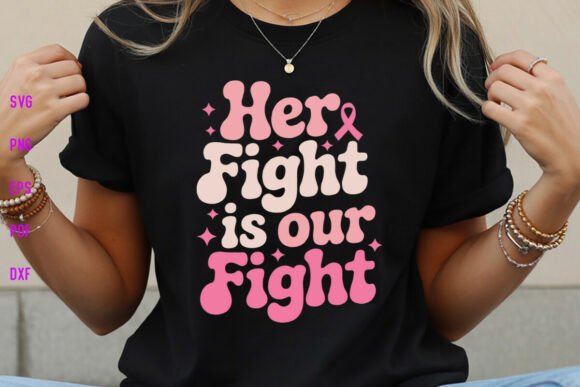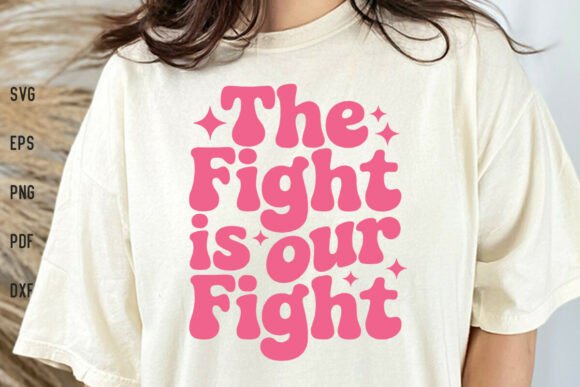
Retro the Fight is Our Fight Shirt SVG Review
As a designer who spends more time than I care to admit staring at stitch density maps and testing thread tension, I approach every new digital asset with a healthy dose of skepticism. The market is flooded with generic clip art, but finding a design that balances aesthetic appeal with technical viability for real-world embroidery is rare. Recently, I pulled Retro the Fight is Our Fight Shirt SVG from my collection to see if it holds up under the scrutiny of actual production work. This isn’t just about how it looks on a screen; it’s about how it translates to fabric, how it sits in the hoop, and whether it adds value to a handmade product or craft business inventory.
First Impressions: Mood and Visual Personality
The moment you open the file, the retro aesthetic hits you immediately. It carries a specific energy—bold, nostalgic, and slightly rebellious without being aggressive. For an embroidery project, this visual personality is crucial because it dictates the entire presentation. A design like this doesn’t belong on delicate lace or subtle linen; it demands presence. It feels naturally suited for heavy cottons, denim, fleece, and structured fabrics where the graphic can anchor the garment rather than get lost in the weave.
From a layout perspective, the composition is balanced. The typography interacts well with any graphical elements included in the vector, creating a cohesive unit. When I imagine this on a sweatshirt, I see a chest-left placement or a centered back print that commands attention. On a tote bag, it serves as a statement piece that communicates values instantly. The "retro" vibe suggests vintage washes or muted color palettes, which means the contrast between the thread and the fabric will be paramount to its success.
Real-World Application: Where This Design Shines
In my experience, the most successful custom apparel items are those that tell a story before the customer even reads the text. Retro the Fight is Our Fight Shirt SVG does exactly that. It is an ideal candidate for several high-demand categories in the handmade market:
- Custom Apparel and Sweatshirts: This is the primary use case. The bold nature of the design works exceptionally well on heavyweight hoodies or crewneck sweatshirts. The thickness of the fabric supports the weight of the stitches, preventing puckering and ensuring the design maintains its shape after washing.
- Tote Bags and Market Totes: For the eco-conscious crafter, this design translates beautifully onto canvas totes. It turns a simple utility item into a branded accessory. The durability required for a tote bag aligns perfectly with the sturdy visual language of the design.
- Embroidered Patches: If you are selling patches for jackets or backpacks, this graphic provides enough detail to justify the price point while remaining clear enough to be recognized from a distance.
- Holiday Gifts and Personalized Items: During gifting seasons, messages that resonate emotionally perform best. Whether it is for a wedding gift, a baby shower (if adapted for softer tones), or a holiday present, this design offers a customizable hook that buyers love.
- Boutique Branding: Small shop owners looking to create consistent branding will find this versatile. It can be used on aprons for kitchen workshops, pillow covers for nursery decor, or even tea towels for home goods, provided the scale is adjusted correctly.
Technical Considerations and Stitch Execution
While the visual concept is strong, the devil is in the details when it comes to machine embroidery. Before committing this design to a final product, there are several technical factors that require careful planning. First, you must evaluate the stitch density. Retro designs often rely on thick block letters or solid fills. If the digitization is too dense, you risk needle breakage or fabric distortion, especially on thinner materials. Conversely, if it is too sparse, the underlying fabric may show through, ruining the clean look.
I strongly advise testing the design on scrap fabric first. Check the thread color contrast meticulously. A black design on a dark navy shirt might look striking in a digital mockup but could disappear entirely once stitched unless you use a metallic or high-sheen thread. Always test your thread colors against your actual fabric stock, not just a computer screen.
Another critical aspect is the hoop size. Ensure your embroidery machine has a hoop large enough to accommodate the design dimensions without cutting off edges. If you are working on curved surfaces like caps or hats, remember that flatbed machines struggle with curvature. You may need a specialized cap frame and potentially adjust the design to account for the curve, otherwise, the text may appear distorted to the wearer.
Where to Exercise Caution
Not every surface is created equal. There are scenarios where Retro the Fight is Our Fight Shirt SVG should be used carefully or avoided:
- Small Hoop Sizes: If the design includes intricate details or tiny lettering, attempting to fit it into a small hoop (like 4x4 inches) may result in a loss of clarity. Zoom in on the vector file to inspect small corners and decorative accents.
- Textured or Stretchy Fabrics: Knits, jersey, and highly textured weaves can shift during stitching. Without proper stabilizer support, the design may become misaligned or wavy. Use a cut-away stabilizer for stretchy fabrics to ensure longevity.
- Dense Stitch Areas: If the design features large blocks of fill stitch, be mindful of the bulk it creates. On lightweight garments, this can feel uncomfortable or stiff. For these projects, consider using applique techniques or lighter fill patterns if available.
- Frequent Washing: For items like aprons or baby clothes that undergo rigorous laundering, ensure the design is anchored properly. Loose threads or inadequate backing can lead to fraying over time, damaging the reputation of your handmade product.
Impact on Product Value and Customer Trust
Using a well-executed design like this elevates the perceived value of your finished product. Customers associate clean stitching and thoughtful design choices with professionalism. When a buyer sees a crisp, well-placed graphic on a tote bag or sweatshirt, they trust the quality of the craftsmanship. This is particularly important for Etsy sellers and small business owners competing in a crowded marketplace.
A high-quality embroidery file also enhances your brand consistency. If you are building a line of products around a specific theme—such as retro aesthetics, activism, or vintage style—having reliable design assets allows you to expand your catalog quickly while maintaining a cohesive look. This reliability builds customer loyalty, as buyers come to expect a certain standard of quality from your shop.
Practical Designer Notes for Success
To get the best results from Retro the Fight is Our Fight Shirt SVG, follow these practical steps:
- Review Stitch Density: Analyze the digitization for balanced tension. Avoid designs that are overly dense, which can cause puckering.
- Test in Black and White: Convert your design to grayscale to check contrast levels. If it lacks definition in black and white, it likely won’t pop in color either.
- Inspect Small Details: Look closely at the corners and fine lines. Are they too thin for the chosen thread weight? Simplify if necessary.
- Confirm Licensing: Before selling finished items or digital previews, verify the licensing terms. Ensure you have commercial rights if you intend to sell the final embroidered products.
- Use Proper Stabilizer: Match your stabilizer to the fabric type. Cut-away for knits, tear-away for wovens, and hooped stabilizers for delicate items.
Ultimately, Retro the Fight is Our Fight Shirt SVG is a versatile and impactful addition to any designer’s toolkit. It bridges the gap between artistic expression and commercial viability, offering a design that is not only visually appealing but also technically sound when executed correctly. By paying attention to fabric choice, thread selection, and stabilization, you can transform this digital asset into a tangible, high-value handmade product that resonates with customers and stands out in the craft community.