Retro Hip Hop Music Elements Embroidery Review
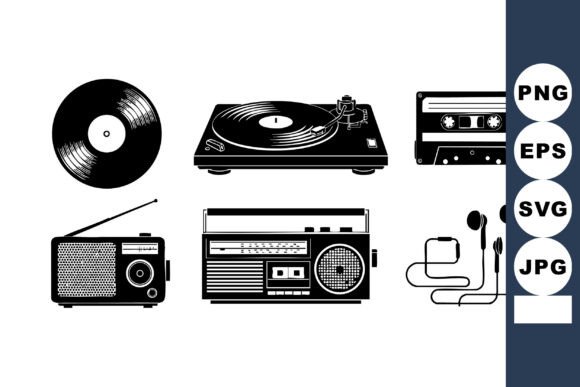
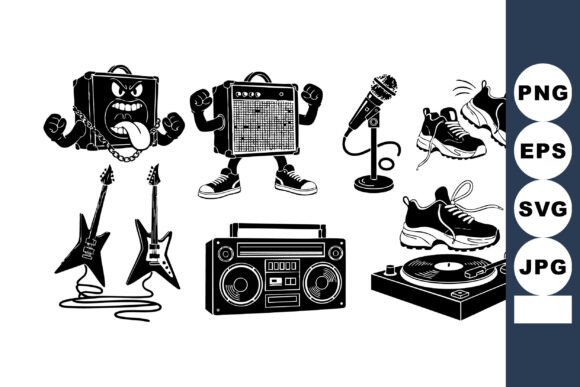
As a designer who spends half my life staring at stitch charts and the other half trying to sell finished goods, I don’t just look for "pretty" designs. I look for viability. Can this actually be stitched? Will it hold up after ten washes? Does it translate well from a vector screen to a piece of cotton twill? When I pulled up Retro Hip Hop Music Elements, my first thought wasn't about the nostalgia—it was about execution. This is a classic hip hop music icons collection featuring a vintage boombox, microphone, sneakers, vinyl record player, and electric guitars in a retro style vector illustration with an energetic mood. It falls squarely into the Crafts category under Graphics, but for us in the embroidery world, it’s about how those graphics survive the hoop.
The First Impression: Energy Meets Execution
The moment you see the layout, the energy jumps off the page. The combination of a vintage boombox, a classic microphone, and those iconic sneakers creates a visual narrative that is instantly recognizable. For an embroidery designer, the challenge here is balancing the detail of the electric guitars and vinyl records with the limitations of thread. The design feels bold and confident, which is exactly what you want when you’re trying to catch a customer’s eye at a craft fair or on an Etsy listing.
What stands out immediately is the thematic cohesion. These aren’t random clip-art pieces pasted together; they feel like a curated collection of 80s and 90s culture. This matters because consistency builds brand trust. If you are building a boutique line of custom apparel, having a cohesive theme helps your shop look professional rather than scattered. The energetic mood translates well to high-visibility items where you want the wearer to feel a sense of fun and attitude.
Real-World Application: From Screen to Stitch
Let’s talk about real projects. I imagine this design shining on a heavyweight sweatshirt for a teen market. The bold lines of the boombox and the guitar would pop against a heather grey or black fabric. However, the devil is in the details. When converting this to an embroidery file, you have to be careful with the smaller elements. A tiny sneaker lace or the grooves on a vinyl record can easily get lost if the stitch density isn’t dialed in correctly.
I also see this working beautifully as a set of embroidered patches. You could separate the boombox, the mic, and the guitar into individual motifs. Patches are huge right now for denim jackets and backpacks. By breaking down the design assets into smaller, manageable units, you increase the versatility of the product. A customer might buy one patch for their bag and another for their cap. This approach maximizes the value of the original graphic.
Another strong use case is personalized gifts. Think of a baby onesie or a nursery pillow cover. While the hip hop theme is edgy, the retro aesthetic softens it slightly, making it suitable for a modern, artistic nursery. Pairing these icons with neutral thread colors can create a sophisticated look that appeals to parents who want something unique but not overly loud. For a personalized gift, adding a name in a complementary font next to the boombox adds a layer of customization that drives sales.
Where to Be Careful: Technical Pitfalls
No design is perfect for every situation, and Retro Hip Hop Music Elements has its constraints. Here is where I would advise caution:
- Small Hoop Sizes: Trying to fit a full scene with all five elements into a small 4x4 hoop will result in clutter. Fine details like the text on the guitar or the buttons on the boombox may become muddy blobs. Stick to larger hoops or simplify the design by focusing on single icons.
- Textured Fabrics: If you are stitching onto a chunky knit sweater or a rough burlap tote, the fabric texture will compete with the design. The intricate lines of the vinyl record player might disappear. Smooth fabrics like canvas, twill, or smooth cotton are best for maintaining clarity.
- Stretchy Fabrics: Embroidering complex shapes on stretchy jersey or spandex blends requires excellent stabilization. Without it, the tension changes can distort the shape of the sneakers or the curve of the microphone stand.
- Dense Stitch Areas: The fill stitches required for the body of the boombox or the guitar neck can become stiff. On lightweight shirts, this stiffness can be uncomfortable. Always test the hand-feel of the finished product.
Visual Appeal and Customer Perception
In the world of handmade products, presentation is everything. A well-executed machine embroidery design signals quality. When a customer sees crisp satin stitch edges on the microphone and clean fill stitch areas on the boombox, they perceive higher value. They are willing to pay more for a finished product that looks professionally made.
This design also taps into nostalgia, which is a powerful emotional trigger. Customers often buy custom apparel not just for the item itself, but for the feeling it evokes. The retro vibe of these music elements connects with millennials and Gen Z consumers who appreciate vintage aesthetics. This makes the design highly marketable for holiday embroidery campaigns, back-to-school seasons, or summer festivals.
For Etsy sellers and small shop owners, this design offers great flexibility. You can use it for tote bag design variations, creating different colorways for each listing. A bright yellow boombox on a navy bag looks different than a pastel pink version on a white bag. This variety keeps your storefront fresh without needing new designs constantly.
Practical Designer Notes Before You Stitch
Before you rush to produce a batch of commercial embroidery items, follow these steps to ensure success:
- Test on Scrap Fabric: Never go straight to your final product. Stitch the design on scraps of the actual fabric you plan to use. Check how the thread colors interact with the material.
- Check Stitch Density: Look closely at the digital preview. Are there areas where the stitches are too close together? This can cause puckering. Adjust the density settings if your software allows it.
- Inspect Small Details: Zoom in on the electric guitar strings and the sneaker laces. If they are too thin, consider simplifying them or using a different stitch type, like running stitch, to maintain definition.
- Black and White Mockups: Convert your design to black and white to check contrast. If the light threads blend into the background, the design won’t read clearly. Ensure there is enough contrast between the stitch density and the fabric color.
- Stabilizer Selection: Use the correct stabilizer for your project. Cut-away stabilizers are generally safer for garments that will be washed frequently, while tear-away might work for stable totes.
- Confirm Licensing: This is critical. Even though this is a digital embroidery file, you must verify the license terms. Some designs are for personal use only. If you plan to sell the handmade product, you need commercial rights. Do not assume inclusion; check the source documentation.
Final Thoughts
Retro Hip Hop Music Elements is a strong candidate for anyone looking to add some flair to their craft business. It balances nostalgic appeal with versatile application potential. Whether you are creating apparel decorators for clients, making personalized gifts for friends, or stocking your own online store, this design provides a solid foundation. Just remember that good embroidery is about more than just the image—it’s about the preparation, the materials, and the attention to detail. Test thoroughly, choose your fabrics wisely, and let the energy of the design shine through in your final creation.